TECHNOALGA ECO SOLUTIONS

Property Description
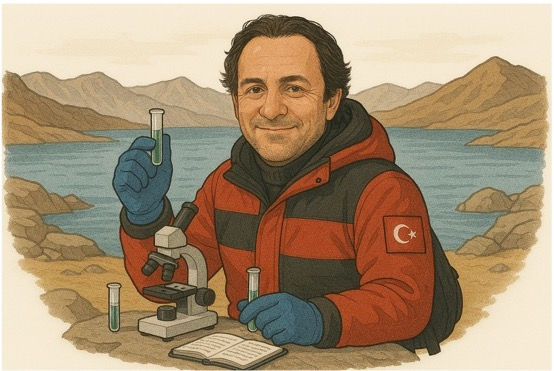
Between 2010 and 2013, comprehensive field surveys focused on microalgae and cyanobacteria isolations were conducted across Türkiye’s major basins—along the Marmara, Aegean, and Mediterranean coasts; the Black Sea belt; and in Central, Eastern, and Southeastern Anatolia. Samples were collected from diverse habitats, including lakes, reservoirs, deltas, and lagoons, shorelines, rivers, agricultural drainage canals, and selected thermal/hypersaline sources. Sampling followed standardized protocols (in-situ measurements of temperature, pH, and conductivity; plankton net and water/sediment sampling; sterile transport and rapid transfer to the laboratory). In the lab, enrichment cultures were established; pure strains were obtained via single-colony isolation; and microscopic identifications and molecular confirmations were performed. These field and laboratory efforts culminated in the creation of the ARAS microalgae–cyanobacteria culture collection: each isolate was coded with detailed metadata—origin (habitat, location), environmental parameters, growth conditions, and phenotypic traits—preserved for the long term (cryopreservation/low-temperature culture) and subjected to periodic viability checks. Organisms in the collection were screened and prioritized, with optimization studies ongoing for various biocomponent targets, including phycobiliproteins, extracellular polysaccharides, pigments, and lipids. Additionally, growth performance under temperature, light, and salinity gradients was comparatively evaluated. This multi-source, interdisciplinary pipeline forms the scientific foundation of TAES’s product and process development roadmaps, enabling the transfer of local biodiversity to industrial applications through a secure, traceable, and regulation-ready infrastructure.