
Mikroalgler sayesinde güneşten korunma yeniden yazıldı.
TAES, patent başvurusuyla desteklenen, Antarktika mikroalglerinden elde edilen, fotostabil ve biyolojik olarak uyumlu MAA bazlı doğal UV koruyucu güneş kremi aktif maddeleri geliştiriyor.

Mikosporin benzeri amino asitler
Doğanın kendi UV emici molekülleri
AKTİF
Doğa, milyonlarca yıl boyunca UV ışınlarına karşı koruma geliştirdi.
TAES bu biyolojik stratejiyi modern kozmetik bilimine getiriyor.
MAAS NEDİR?
Mikroalglerin doğal güneş kremi.
Mikosporin benzeri amino asitler (MAA'lar), mikroalglerin ve siyanobakterilerin yoğun güneş UV ışınlarına karşı kendilerini korumak için ürettikleri küçük, suda çözünebilen bileşiklerdir. UVA-UVB aralığındaki radyasyonu emerler ve zararsız bir şekilde ısı olarak dağıtırlar.
Biyolojik kökenli oldukları için MAA'lar fotostabil, biyolojik olarak uyumlu olup UV korumasını antioksidan aktiviteyle birleştirirler; bu özellikler sentetik filtrelerin yakalamakta zorlandığı bir profildir.
<400
UV spektrumu boyunca etki gösteren küçük moleküller
UVA + UVB
UVA'dan UVB'ye kadar geniş spektrumlu emilim
%100
doğal kaynaklı, mikroalglerden elde edilen aktif
+AOX
Antioksidan aktivite ve UV koruması
NASIL ÇALIŞIR
Canlı bir hücrenin savunma mekanizmasından nihai bir formülasyona.
01
Absorb
MAA kromoforu, 310-362 nm bandındaki UV fotonlarını yakalayarak radyasyonun cilde ulaşmadan önce engellenmesini sağlar.
02
Dağıtmak
Yakalanan enerji zararsız ısı olarak açığa çıkar ve molekül, döngüden döngüye bozulmadan, yüksek derecede fotostabil kalır.
03
Korumak
Sonuç olarak, geniş spektrumlu koruma ve antioksidan desteği sağlanırken, ciltte herhangi bir reaktif yan ürün kalmaz.
MANZARA
UV korumasının evrimi.
Biyolojik aktif maddeler içeren üç nesil UV filtresi, yeni bir yön açıyor.
1
Mineral UV filtreleri
Örneğin Çinko Oksit (ZnO), Titanyum Dioksit (TiO₂)
●UV radyasyonunu yansıtır ve dağıtır
●Yüksek SPF performansı
● Ciltte beyaz bir iz bırakabilir
● Genellikle yüksek SPF değerine ulaşmak için diğer UV filtreleriyle birlikte kullanılır.
2
Organik UV filtreleri
Örneğin Avobenzon, Oktokrilen, Oktisalat
● UV radyasyonunu emer
● Mükemmel fotostabilite
● Geniş formülasyon esnekliği
● Kısıtlanmış, yasaklanmış veya FDA güvenlik incelemesi altında olan çeşitli moleküller
3
Biyolojik UV filtreleri
Mikroalglerden Elde Edilen Mikosporin Benzeri Amino Asitler (MAA'lar)
● Doğal olarak evrimleşmiş UV koruyucu moleküller
● Geniş UV emilimi
● Antioksidan ve fotokoruyucu aktivite
● Biyolojik olarak parçalanabilir, sürdürülebilir şekilde üretilmiştir
● Yeni nesil güneş kremi formülasyonlarını tamamlayacak şekilde tasarlanmıştır.
↳Günümüzde mineral güneş kremleri, yüksek SPF değerine ulaşmak için genellikle organik (kimyasal) filtrelerle desteklenmektedir. TAES, sentetik UV filtrelerine ihtiyaç duymadan, minerallerle birlikte performansı artıran MAA bazlı biyolojik destekleyici aktif maddeler geliştiriyor.
NEDEN MAAS?
UV ışınlarını emen bir molekülden çok daha fazlası.
MAA'lar çok işlevlidir; tek amaçlı filtrelerin sunamadığı UV korumasını cilt koruyucu biyolojiyle birleştirirler.
UV absorption
Tek bir doğal kromofordan elde edilen, UVA-UVB aralığı boyunca geniş spektrumlu emilim.
Antioksidan aktivite
Güneş ışınlarına maruz kalmanın oluşturduğu serbest radikalleri etkisiz hale getirerek cilt savunmasını destekler.
ROS temizleme
Foto yaşlanmaya ve hücresel strese neden olan reaktif oksijen türlerinin temizlenmesine yardımcı olur.
Fotostabilite
Yakalanan enerjiyi ısı olarak yayar ve güneş ışığında bozulmayan, bütünlüğünü koruyan bir koruma sağlar.
Hücresel koruma
Canlı hücrelerin içinde evrimleşerek, onları biyolojik olarak uyumlu hale getirmek üzere tasarlanmıştır.
Sürdürülebilir üretim
Mikroalglerden elde edilen, biyolojik olarak parçalanabilen, yenilenebilir, izlenebilir ve mercan resiflerine duyarlı bir üründür.
SCIENTIFIC EVIDENCE
Evidence-based cosmetic actives.
MAA performance is grounded in measurable data from in-vitro SPF contribution to photostability under UV irradiation.
IN VITRO SPF
10-12
Katkı, türe ve ekstraksiyon koşullarına bağlıdır.
YEŞİL EKSTRAKSİYON
%100 Su
Katkı, türe ve ekstraksiyon koşullarına bağlıdır.
TANIMLANAN MAA'LAR
5
Shinorine, Porphyra-334, Palythine, Mycosporine-Glycine ve Asterina-330

TAES ANTARKTİKA KOLEKSİYONU
Antarktika'da hayatta kalma deneyimlerinden ilham alınmıştır.
Antarktika mikroalgleri, Dünya üzerindeki en yüksek doğal UV maruziyet seviyelerinden bazılarına maruz kalmaktadır. Adaptif bir yanıt olarak, birçok tür mikosporin benzeri amino asitler (MAA'lar) sentezler; bu da bu ekstrem canlıları yeni fotokoruyucu bileşikler keşfetmek için değerli bir kaynak haline getirir.
TAES, kozmetik uygulamalar için yüksek değerli MAA üreten türleri belirlemek amacıyla uzun vadeli araştırma programları aracılığıyla izole edilen Antarktika mikroalglerini inceliyor.
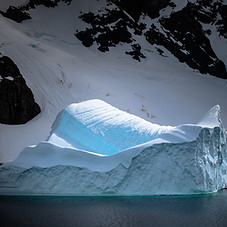
Antarktika
Aşırı UV koşulları
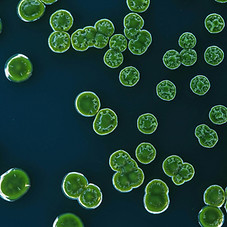
Mikroalgler
Doğal savunma yoluyla hayatta kalma

MAAs
Mikosporin benzeri amino asitler

Kozmetik Aktif
İnsan için gelişmiş üretim

Antarktika'da Yeni Bir Deneyim
Gerilmek
Kutup bölgelerinin aşırı ortamlarından izole edilmiş eşsiz mikroalgler.
Extreme UV
Adaptation
Naturally evolved defense mechanisms against intense UV radiation.
High Value
MAA Discovery
Rich source of MAA with photoprotective
potential.
Sürdürülebilir Biyoteknoloji
Yeni nesil kozmetik inovasyonu için sorumlu araştırma.
BAŞVURULAR
MAA üyelerinin çalıştığı yer.



Güneş Bakımı
UV Koruması
Günlük Savunma
Günlük Cilt Üretimi
Tamirat
UV ışınlarına maruz kaldıktan sonra
Sağlıklı Yaşlanma
Fotoğraf Yaşlanmasına Karşı Koruma
Ortaklık Yolculuğunuz
KOZMETİK ORTAKLIKLARI
Doğal UV aktif madde ile formüle edilmiştir.
MAA bazlı UV koruma ürünlerini piyasaya sürmek isteyen kozmetik markaları ve formülatörleriyle çalışıyoruz. Teknik veriler, numuneler veya ortaklık görüşmeleri için bizimle iletişime geçin.
Teknik Veriler
Ayrıntılı veri sayfalarına, analitik raporlara ve çalışmalara erişin .
Laboratuvar Örnekleri
Performansı yüksek kaliteli laboratuvar örnekleriyle değerlendirin.
Formülasyon Desteği
Formülasyon ve uygulama konusunda rehberlik almak için ekibimizle işbirliği yapın.
Ölçeklendirme ve Üretim
Ölçeklenebilir ve sürdürülebilir üretimle güvenilir tedarik .
Ticari Ortaklık
Ayrıntılı veri sayfalarına, analitik raporlara ve çalışmalara erişin .

BİLİMSEL YAYINLAR
Hakemli bilimsel çalışmalarla desteklenmektedir.
Mikroalglerde ve siyanobakterilerde mikosporin benzeri amino asitler: Biyosentez, çeşitlilik ve biyoteknolojideki uygulamalar
Alg Araştırması
2024

Antarktika'dan elde edilen Klebsormidium sp. türünden ultraviyole ışınlarına karşı koruyucu biyoplastik filmler.
ASYA19: Plastik alternatiflerine sürdürülebilir bir yaklaşım
Biyolojik Kaynak Teknolojisi
2025

Sürdürülebilir UV koruması için soğuğa dayanıklı Coccomyxa subellipsoidea ASYA6 : Mikosporin benzeri maddelerin yeni bir yeşil kaynağı
amino asitler
Sürdürülebilir Kimya ve Eczacılık
2025

Klebsormidiumclades (Streptophyta) yeşil alglerinde UV-B altında fizyoloji ve kimyanın entegrasyonu, MAA ile ilişkili yapısal ve uyarılabilir fotokoruyucu tepkileri ortaya koymaktadır.
Mikrobiyolojideki Sınırlar
2026
